

Since Ontario adopted CSA Z1220 as an accepted standard for workplace first aid kits, many employers have been asking the same question: Do I need a CSA first aid kit? The answer depends on your workplace, including the level of risk, the number of workers on each shift, and the first aid standard your organization follows. This guide explains how CSA first aid kits are classified, how to determine which type your workplace needs, and how to confidently choose the right kit to help support workplace compliance.
This guide builds on Ontario’s updated workplace first aid requirements by helping employers determine which CSA first aid kit is appropriate for their workplace. If you’re looking for an overview of the regulatory changes, read Ontario First Aid Rules Changed: Are You Still Compliant? before continuing.
Quick Summary
Not necessarily. Ontario employers are not automatically required to replace their existing workplace first aid kits simply because CSA Z1220 has been adopted as an accepted first aid standard. If your workplace already meets the requirements of the first aid standard you follow, your current kits may remain compliant. However, employers choosing to implement or transition to CSA Z1220 should ensure they select the appropriate kit classification and size based on their workplace’s level of risk and the number of workers on each shift.
Many Ontario employers are choosing to transition to CSA-compliant first aid kits as part of their workplace health and safety programs. Choosing the correct kit involves more than simply purchasing a first aid box—it begins with understanding your workplace’s level of risk and the number of workers on each shift. Once you’ve identified those two factors, selecting the appropriate CSA first aid kit becomes much more straightforward.
Choosing the right CSA first aid kit is a simple three-step process. First, determine your workplace’s risk level. Next, identify the appropriate CSA first aid kit classification. Finally, select the correct kit size and quantity based on the number of workers on each shift.

The first step in choosing a CSA first aid kit is determining your workplace’s level of risk. CSA Z1220 classifies workplaces as low, moderate or high risk based on the likelihood and severity of potential injuries. Identifying your workplace’s risk level is essential because it determines which type of first aid kit is appropriate for your environment.
While many workplaces clearly fall into one category, others may require employers to consider the nature of the work being performed rather than the industry alone. For example, an office is generally considered low risk, while construction sites, manufacturing facilities and forestry operations typically present a higher likelihood of serious workplace injuries.
Once you’ve identified your workplace’s level of risk, the next step is selecting the appropriate CSA first aid kit classification. CSA Z1220 defines three workplace first aid kit classifications, each designed for different work environments and levels of risk. Choosing the correct classification helps ensure your workplace is equipped with the supplies appropriate for the hazards employees may encounter.
Type 1 Personal First Aid Kits are intended for employees who work alone or do not otherwise have access to a workplace first aid kit. Type 2 Basic First Aid Kits are suitable for most low-risk workplaces, while Type 3 Intermediate First Aid Kits are intended for moderate- and high-risk work environments where more comprehensive first aid supplies may be required.
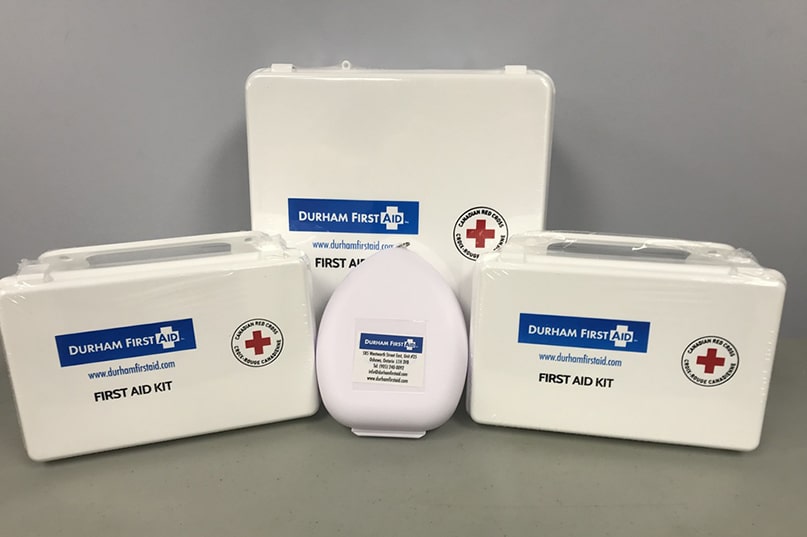
After selecting the appropriate kit classification, determine the correct kit size and quantity based on the number of workers on each shift. CSA Z1220 establishes minimum first aid kit requirements according to workplace size, allowing employers to choose from several compliant kit combinations as their workforce grows.
For example, a workplace with 26 to 50 workers may choose either two small kits or one medium kit, while larger workplaces have additional compliant options. This flexibility allows employers to select the kit configuration that best suits their facility layout, operations and accessibility needs while still meeting the requirements of the standard.
Use the CSA First Aid Kit Selection Guide below to identify the minimum kit size and quantity for your workplace.
Type 1 Personal First Aid Kits are designed for workers who work alone or do not otherwise have access to a workplace first aid kit. These compact kits provide essential first aid supplies for employees who travel between job sites, work in company vehicles, or perform their duties in isolated locations where a larger workplace first aid kit is not readily available.
According to CSA Z1220, Type 1 Personal First Aid Kits are suitable for workers who operate independently and cannot reasonably access a shared workplace first aid kit when an injury occurs. Common examples include delivery drivers, sales representatives, home service technicians, maintenance personnel, snow removal operators and other lone workers.
Durham First Aid offers CSA-compliant Type 1 Personal First Aid Kits in convenient soft-sided and fanny pack styles, making them easy to carry throughout the workday while ensuring essential first aid supplies remain close at hand.
View our CSA Type 1 Personal First Aid Kits:
CSA Type 1 (Personal) Cloth First Aid Kit
CSA Type 1 (Personal) Fanny Pack First Aid Kit
Type 2 Basic First Aid Kits are intended for most low-risk workplaces. These kits contain the supplies needed to respond to common workplace injuries and are typically appropriate for offices, retail stores, schools, administrative facilities and other environments where the likelihood and severity of workplace injuries are relatively low.
After determining that your workplace falls within the low-risk category, use the CSA First Aid Kit Selection Guide to identify the correct kit size based on the number of workers on each shift. Depending on your workforce, you may require one kit or a combination of smaller kits that meets the minimum requirements of CSA Z1220.
Durham First Aid offers CSA-compliant Type 2 Basic First Aid Kits in a variety of sizes to help employers equip their workplaces with the supplies required for low-risk environments.
Browse our CSA Type 2 Basic First Aid Kit:
CSA Type 2: Basic First Aid Kit (Small)
Type 3 Intermediate First Aid Kits are designed for moderate- and high-risk workplaces where more comprehensive first aid supplies may be required. Industries such as construction, manufacturing, forestry, mining and other industrial environments often present a greater likelihood of serious workplace injuries, making a Type 3 kit the appropriate choice.
Once you’ve determined that your workplace requires a Type 3 kit, use the CSA First Aid Kit Selection Guide to identify the correct kit size and quantity based on the number of workers on each shift. Employers can choose from several compliant kit combinations, allowing them to select the option that best suits their workplace layout and operational needs.
Durham First Aid offers CSA-compliant Type 3 Intermediate First Aid Kits in both hard-case and soft-case configurations to meet the needs of fixed workplaces, mobile operations and service vehicles.
Explore our CSA Type 3 Intermediate First Aid Kits:
CSA Type 3: Intermediate First Aid Kit Hard Case (Small)
CSA Type 3: Intermediate First Aid Kit Soft Case (Small)
Choosing the right CSA first aid kit is usually straightforward once you’ve assessed your workplace risk and workforce size. However, some workplaces have unique circumstances that require additional consideration.
When determining your first aid kit requirements, employers should also consider questions such as:
If you’re unsure which CSA first aid kit best suits your workplace, Durham First Aid can help you review your workplace requirements and recommend an appropriate solution.
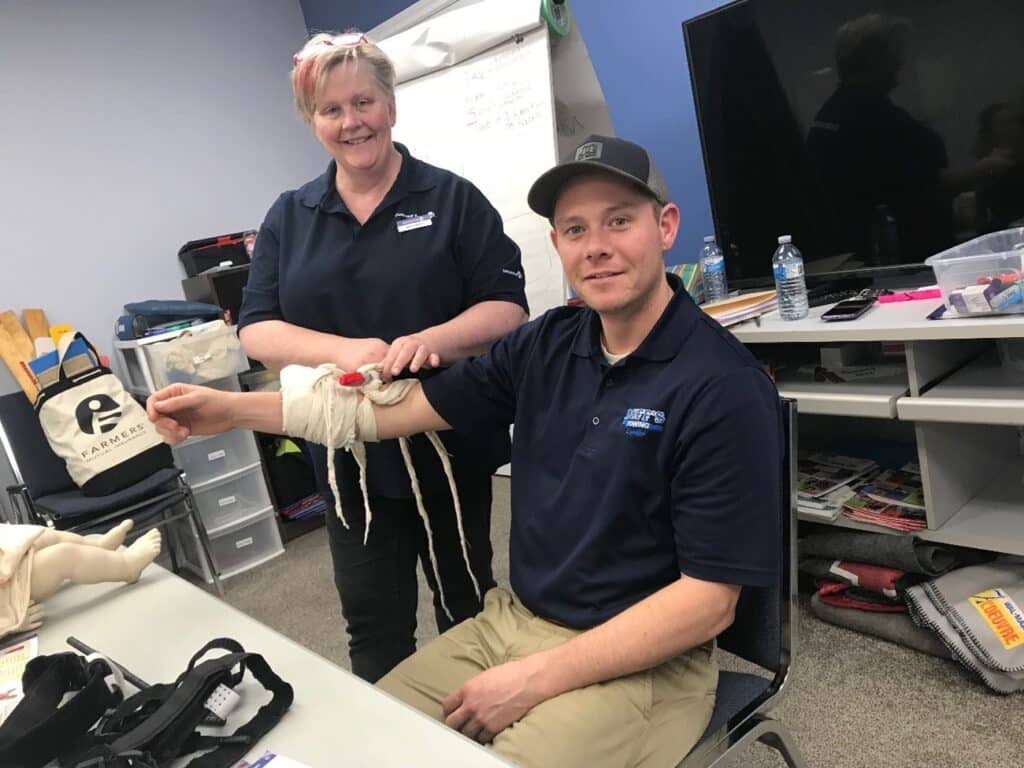
Selecting the right CSA first aid kit is only one part of maintaining a safe and prepared workplace. Once you’ve identified the appropriate kit classification and size, it’s important to ensure your workplace remains equipped, accessible and ready to respond when first aid is needed.
Workplace First Aid Checklist:
✔ Assess your workplace risk level.
✔ Identify the correct CSA first aid kit classification.
✔ Select the appropriate kit size and quantity based on workers per shift.
✔ Place first aid kits where they are clearly identified and easily accessible.
✔ Inspect and replenish first aid kit supplies regularly.
✔ Ensure your workplace has the required number of trained first aiders.
Choosing the right CSA first aid kit doesn’t have to be complicated. By assessing your workplace’s level of risk, identifying the appropriate CSA first aid kit classification and selecting the correct kit size based on the number of workers on each shift, you can confidently equip your workplace with the first aid supplies appropriate for your environment and compliance requirements.
Now that you know how to determine the right CSA first aid kit for your workplace, Durham First Aid Inc. makes it easy to find the products you need. Whether you’re equipping a low-risk office, a high-risk worksite or supporting employees who work independently, our team can help you select the appropriate CSA-compliant first aid kit for your workplace.
Browse our selection of CSA first aid kits or contact Durham First Aid today. Our team is here to help you choose the right solution for your workplace with confidence.
The correct CSA first aid kit depends on two primary factors: your workplace’s level of risk and the number of workers on each shift. Once those factors are identified, you can determine the appropriate CSA kit classification and size.
Type 1 Personal Kits are designed for isolated or lone workers. Type 2 Basic Kits are intended for low-risk workplaces such as offices and retail environments, while Type 3 Intermediate Kits are designed for moderate- and high-risk workplaces, including manufacturing, construction and industrial settings.
Not necessarily. Ontario employers may continue using compliant workplace first aid kits that meet the standard they follow. However, organizations adopting CSA Z1220 should ensure they select the appropriate kit classification and size for their workplace.
Kit size is based on the number of workers on each shift. CSA Z1220 provides guidance on the appropriate kit size and, in some cases, allows multiple smaller kits to be used instead of one larger kit.
Yes. Durham First Aid offers a complete selection of CSA-compliant first aid kits and can help employers determine the appropriate kit based on their workplace risk level, workforce size and operational requirements.