

As Canadians, we are used to spending the summer outdoors. We are no longer held captive inside by blowing snow and frozen noses, and that means getting outdoors every chance we get. Whether we are swinging at a baseball, kicking a soccer ball into the net, hiking through trails, cycling on busy streets, or any other activity – we are usually soaking up the sun in every free moment.
There are tremendous health benefits to all that activity. Provided you are being sun safe (more on that later!), outdoor activity in the sunshine is not only a source of Vitamin D but can be great for your cardiovascular health as well. Even if you are taking a leisurely walk, just moving your body in fresh air can help lower blood pressure and improve your mental health.
Yet it’s crucial to stay safe, which means both taking precautions and having the right training. Summer activities can be risky, and some incredibly so, if they are not done smartly. A solid foundation in first aid training can help keep everyone safe and make sure that everyone is having an enjoyable time.
Durham First Aid has taken the time to put together a quick and helpful Summer Safety Guide so you can equip yourself with the important skills needed to keep your friends, family and loved ones safe this summer.
While our parents and grandparents used to lather themselves in baby oil and sit outside with a mirror around their neck, we know better today. Prolonged sun exposure can be dangerous without sun protection, and we probably all know someone who’s had a ‘bad sunburn’ or two. But how can you tell when someone has had too much sun?
Heat exhaustion – which can be the precursor to heat stroke – is caused by the body losing too much water and salt through heavy sweating. This can be a result of working in hot conditions, exercise in hot weather, etc. and results in the body being unable to effectively cool itself.
Move the person to a cool or shaded place, loosen or remove excess clothing, and rehydrate with water or a sports drink. If vomiting occurs or symptoms don’t improve, seek medical care.
Heat stroke is where the body can no longer regulate its core temperature and is considered a medical emergency. It is often caused by prolonged exposure to high temperatures and/or excessive physical activity in high temperature conditions.
Call 911 immediately. Move the person to a shaded area, cool them with damp cloths or ice packs (do not place ice directly on the skin), and monitor breathing until help arrives.
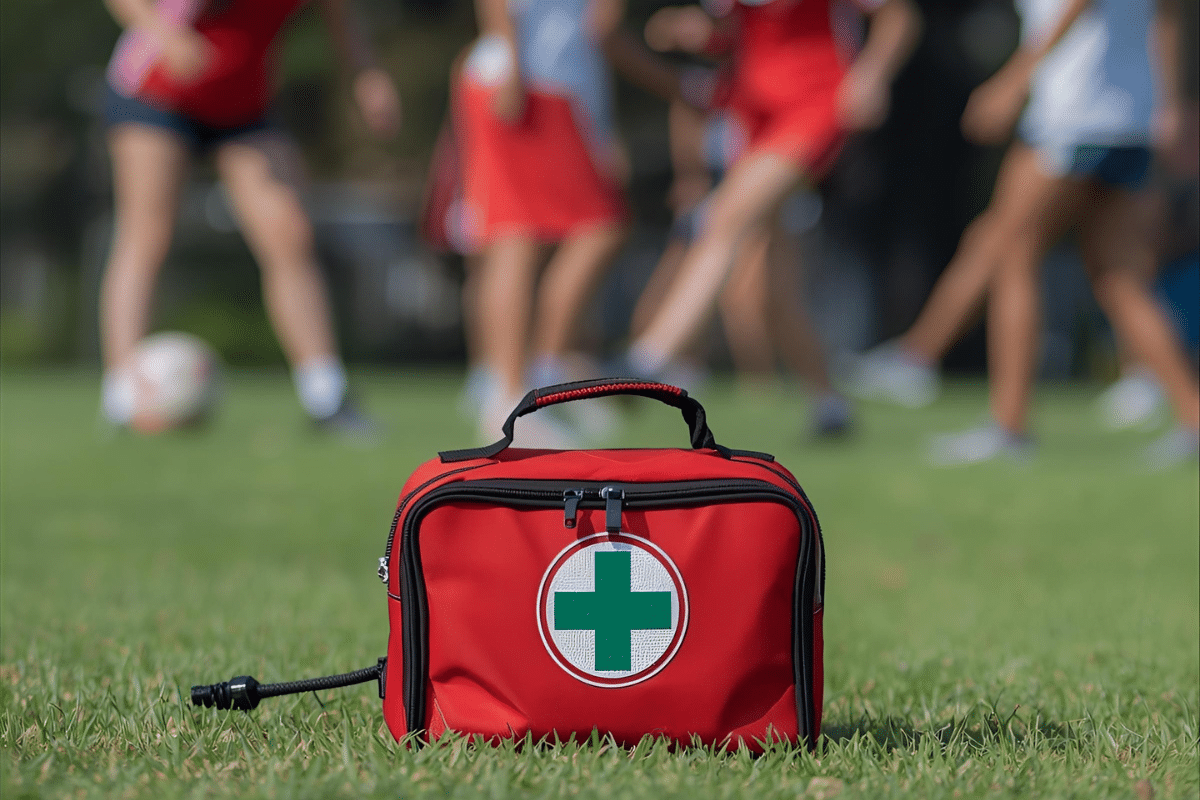
It is common for children, or even adults, who play summer sports to injure themselves. They may run the wrong way and twist an ankle, fall and break a bone, or even get hit in the head while performing an activity. Some of these injuries may be more serious than others but all can benefit from quick attention.
Bumps, bruises, strains and sprains are common during sports and other outdoor play. They are typically no cause for concern and require little to no medical intervention. The best course of treatment for these types of injuries is to apply ice, elevate the injured area, and rest to reduce swelling.
A fracture (broken bone) can occur from a fall, a hard hit, or an awkward landing. Common signs include swelling, bruising, visible deformity, or inability to move the limb. If you suspect a fracture or broken bone, it is important that you keep the limb immobilized with a splint to avoid any further injury. Then seek professional medical care as soon as possible.
Head injuries are serious business and need to be taken seriously. If left ignored, a serious head injury can prove dangerous, or even life threatening – even if the person seems okay after the initial trauma. If an adult or child is showing signs of a concussion (there are many, but serious ones that need medical attention are loss of consciousness and vomiting), get them medical attention immediately to make sure that they are examined properly. Even recovery from a mild concussion can be prolonged, so it is crucial not to wait until a person is showing ‘serious’ signs of trouble.
Having first aid and CPR training can give you the confidence to handle these types of situations calmly and effectively. Whether it is knowing how to apply a splint, recognize a concussion, or decide when to call for help, these are skills that can make a big difference during sports, work, or family activities.
Unfortunately, good weather also comes with a ton of bugs and insects – an important part of our ecosystem, but less fun when they are biting or stinging us! There are ways to help ward off insects, such as wearing light colours and clothing that covers your skin, avoiding strong scents, and using insect repellants can help keep critters away.
If someone experiences an allergic reaction — difficulty breathing, swelling, or hives — use an epinephrine auto-injector (EpiPen) and call 911 immediately.
The other major biting risk that is increasing in prevalence, especially in the Oshawa area, is ticks. Tick bites can carry Lyme disease, which is a serious chronic illness and one that is difficult to diagnose and treat. To prevent tick bites:
Even with prevention, bites and stings can happen anywhere — at the park, on a camping trip, or in your own backyard. That is why knowing how to identify symptoms, treat wounds, and respond to allergic reactions is so important.
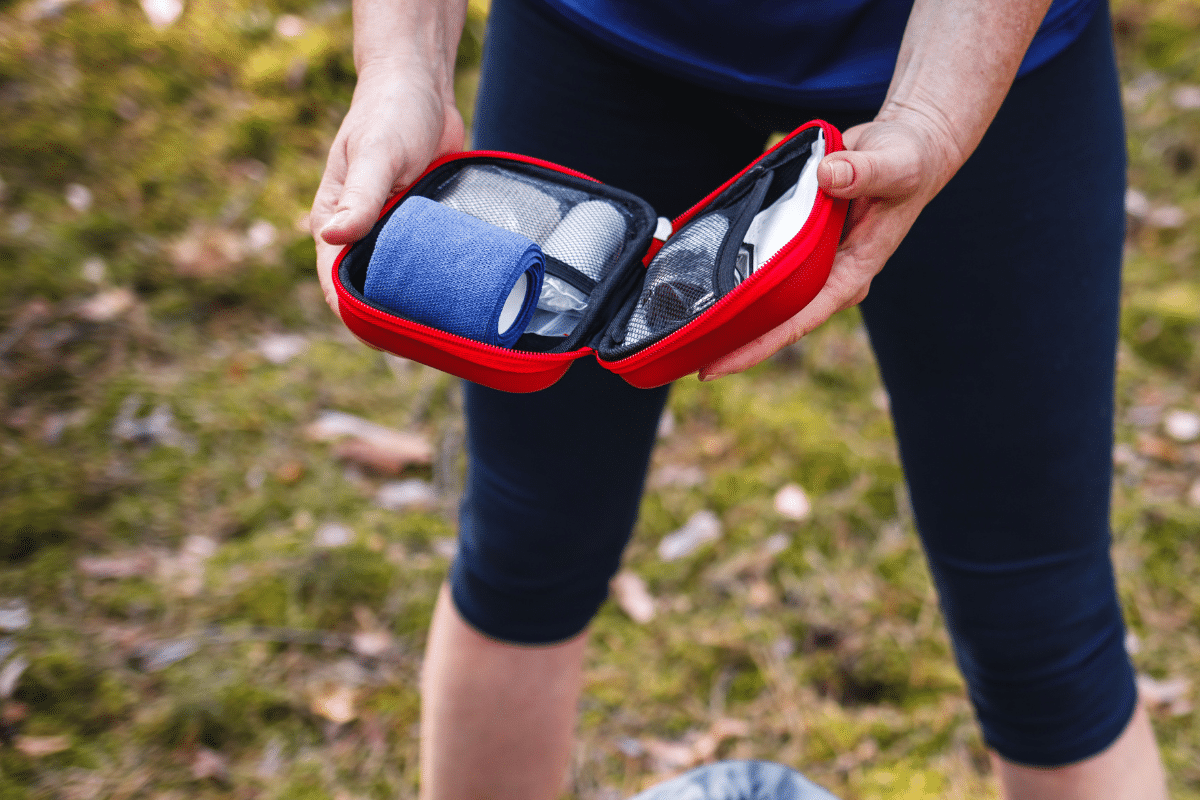
This Summer Safety Guide only scratches the surface. The knowledge of proper first aid protocols and carrying the proper first aid supplies is crucial for staying safe. Accident and injury prevention is important, but they are not entirely avoidable. When something does happen, knowing how to act quickly can truly help save the day.
At Durham First Aid, we offer our training to almost all age groups throughout the year, from our babysitting courses and high school courses to our workplace certification programs to our private classes – there is no need to live without first aid knowledge! Contact us today to learn more and sign up for one of our programs.